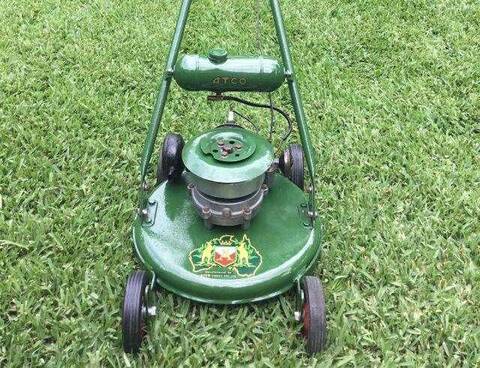
I think the fuel cap on the 3.5 Briggs has more breather holes than the plastic quantum tank , so probably allows more evaporation on the 3.5 thus allowing the fuel to break down at a quicker rate.
BP said the following below.
Petrol is a mixture of many components with different properties that contribute to the performance of the fuel. When petrol is kept in an open container where it is exposed to the air, it will - in time - completely evaporate. As it evaporates, the composition and properties will change because different components evaporate at different rates. This is a normal feature of petrol and helps describe the process which takes place when it is stored in equipment fuel tanks.
Petrol in sealed containers
The storage life of petrol is one year when stored under shelter in a sealed container. Once a seal is broken the fuel has a storage life of six months at 20°C or three months at 30°C.
Petrol in equipment tanks
The storage life of petrol in equipment fuel tanks is one month. This can be extended by topping up with one third of fresh fuel, which restores the volatile components that have evaporated. Topping up with fresh fuel will help, however it is not a foolproof strategy for engines that are used only intermittently. The following principles may also help: > Keep the tank half full to stop water vapour from being sucked in and condensing. > Consider using a fuel that contains anti-oxidants, metal deactivators and corrosion inhibitors to protect metal surfaces;
Use a hotter spark plug to help to reduce carbon deposits
Hmm this is why I want a LPG mower , Line Trimmer ,Blower Vac and Quad bike etc.
LPG is not affected by the shelf life issues associated with petrols and diesels. It is stable when stored in sealed containers.