G'day folks,
Just to get some terminology right here, these aren't
stamps.
What they are, is
printing blocks of half-tone images, which were used in the now obsolete
letterpress printing process.
This was the way that most local newspapers were printed, up until the 1970's; city newspapers used a variant called 'rotary letterpress'.
The accompanying text was made in the newspaper's printery, using a 'Linotype machine', which cast the bars of type from molten metal [one of a range of Lead/Tin/Antimony alloys known collectively as 'Type Metal']. Then it and the blocks were 'set' into pages, and printed.
But image blocks like these had to be made from line drawings or photos by the 'halftone process', which few local newspapers had the equipment to do. So the job of making these blocks was farmed out to specialist typesetting firms. The end product was these thin type metal plaques, which were then mounted on the wood backing so as to fit the 'forme' [holding frame for each page] along with the bars of text, at the same height.
This was a relatively expensive process, so it was only commonly used for advertising, where the image blocks were re-used in many editions of the paper, in local papers. City papers used it for photos too, as they had in-house halftone facilities.
That's the reason why images are rare in most local papers in the National Library's 'Trove' digitised online collection. As CyberJack is all too aware...
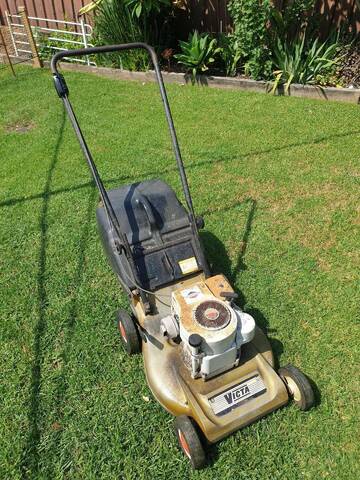
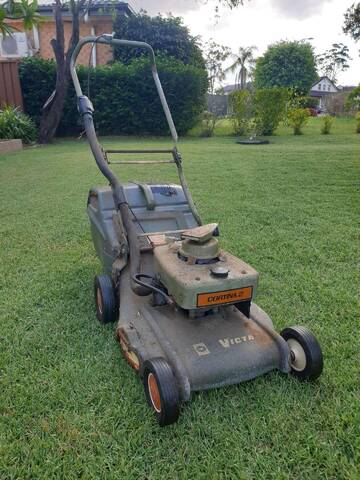
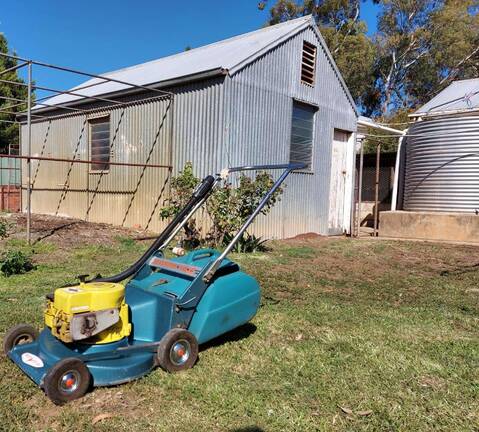
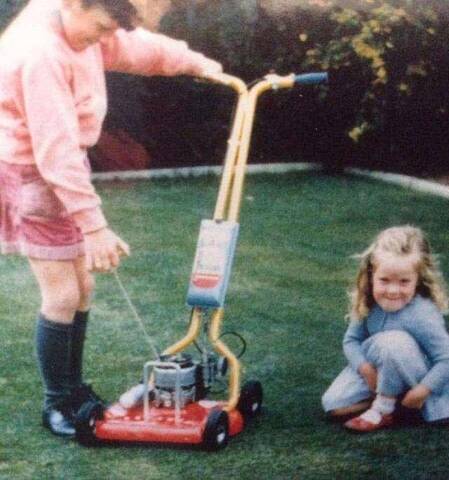
For sales campaigns, manufacturers would supply ready-made blocks [some with text included, as in Kye's pics] to their dealers, for their local advertising.
I used to give the old man a hand with proofreading and production of a fruit growing industry newsletter in Cobram, Vic, in the 1970's.
The printer [Wally Gawne] in Shepparton used this letterpress technology then [and I saw all of the bits in use on visits to them], but the then new processes of offset printing and phototypesetting had taken over by the time the old man left that job, in 1983.
This was a step change for local newspapers too - they could just do the press-ready copy in house, and outsource the actual printing. So nearly all of them did...
There are a few printing museums still in existence, which just closed their doors at that time. Real 'time capsule' stuff.
One is in Chiltern, Vic:
http://www.tourisminternet.com.au/chmus4.htmhttps://www.nationaltrust.org.au/places/the-federal-standard-printing-works/