Hi Mark1,
Welcome to the ODK Forum, we all love to tinker here so you'll be in good company.
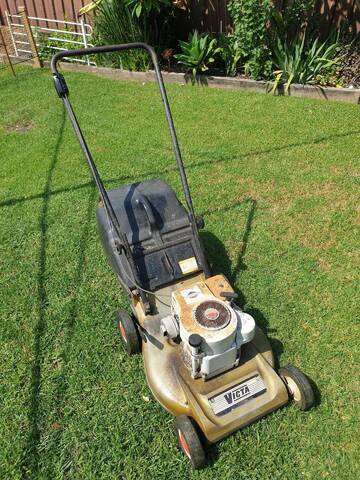
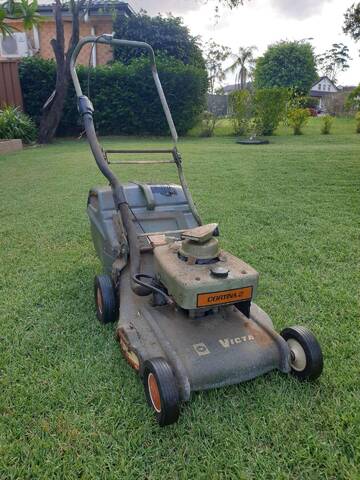
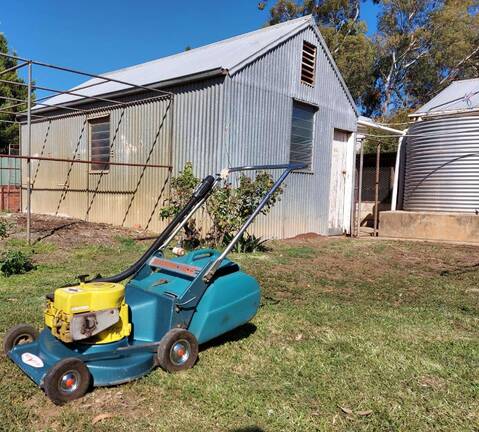
Well you've certainly got yourself into a predicament there haven't you, comparing apples with apples.
I can see good and bad points on both machines so it's not really going to make much difference which one you start on.
Firstly you must ascertain the condition of the rails on the twin railer. 75% of them have fractures induced by the power plant radiating from the two mounting holes nearest the clutch body. Generally if these are advanced you can see them without removing the engine, just look for cracks in the paint around the base of the engine. If there are any there I would move on to the Solid deck machine as these don't fracture no where near as much as the twin railers do.
I duly note that there is a major Engine / clutch alignment issue with the series two machine.
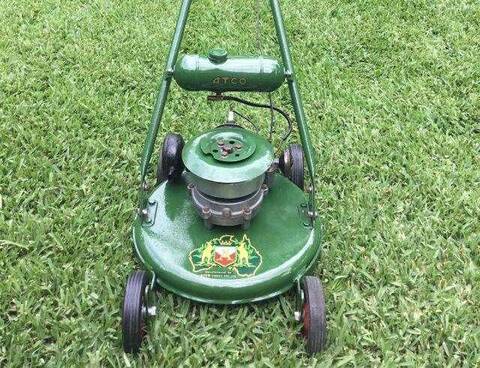
The solid deck (series 1) machines are clearly the better designed unit, using a solid mounting deck for the engine, utilising a brass thrust pad opposed to a plastic one and also using a cast brass height adjuster knob opposed to a die cast unit, also all the early machines used a full cast iron clutch body which far out lasted the later rubbish die cast units that usually flogged out on the PTO shaft and thus induced extra vibration into the rails of the machine which then sped up the fracturing issue.
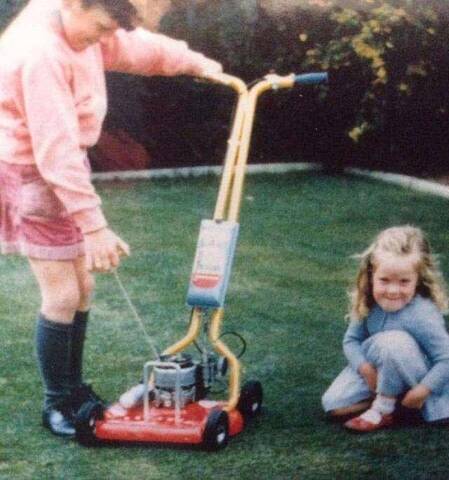
Your twin rail machine (early series 2) would've originally had a Kirby HK25 on it but as we can all see it's been replaced with a 6th of June 2001 model Briggs engine which clearly would be the better power plant to use when running correctly, proof of this is the odd looking modification to the petrol tank so that it clears the early style kirby fitted handlebars. This mower also has the better reel and near new bed knife on it, but that can be easily transferred over to the solid deck machine. I guess until you ascertain the condition of the twin rail chassis we won't delve into it much further.
I'll await your response.
Cheers,
BB