Thanks for explaining, theppy2760. The mower shop guy probably had some reason to expect it to blow - like, when it came in it had no oil, for example. Please make sure the replacement has clean fins and clean oil. An ounce of prevention is worth a ton of cure, and all that.
Here is the Illustrated Parts List for the blown engine:
http://bsintek.basco.com/BriggsDocumentDisplay/Z6hovIVJ1DajI.pdfHere is the Operator's manual for the same engine:
http://bsintek.basco.com/BriggsDocumentDisplay/mssAIQ-K_ny7tH217FzoPu.pdfHere is the Illustrated Parts List for the replacement engine:
http://bsintek.basco.com/BriggsDocumentDisplay/Z6opwCVJ1DajI.pdfHere is the Operator's manual for the same engine:
http://bsintek.basco.com/BriggsDocumentDisplay/mssAIQ-K_ny7tH217FzoPu.pdfNow, getting to the actual issues. First, you reported that the replacement engine was hunting (cycling in speed, with the speed control set and not changed). This is nearly always caused by lean mixture. (The rest of the time it's caused by a mechanical problem, most likely a bent and jamming linkage.) You have had a stroke of luck here - that engine, being older, has a large one-piece Flo-Jet carburetor, which is practically bomb-proof, and has adjustable mixture, both in the idle and main systems:
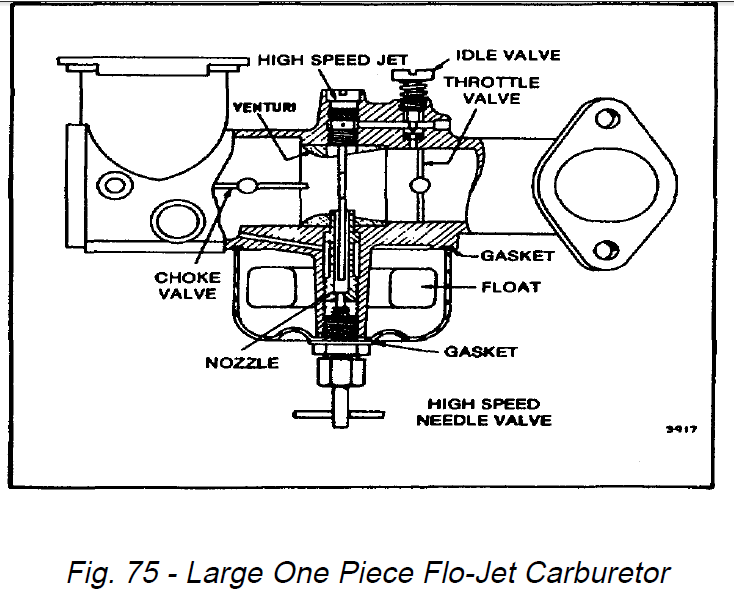
To adjust the idle mixture, set the engine at idle speed, and adjust the screw marked "Idle Valve" as follows. Turn it slowly clockwise until the engine begins to slow down (lean limit). Note the position of the screwdriver slot. Turn the screw anticlockwise until the engine begins to run roughly and slow down (rich limit). Note the position of the screwdriver slot. Set the screw halfway between those two positions.
To adjust the main mixture, set the engine at maximum speed and turn the high speed needle valve anti-clockwise viewed from above, or clockwise if you have crawled underneath it for some strange reason, until it either hunts (cycles in speed) or slows down slightly (lean limit), then note the adjuster position. Turn it the opposite way (clockwise viewed from above) until it starts to slow down (rich limit). Note the adjustment position. Set the needle valve halfway between the rich and lean limits.
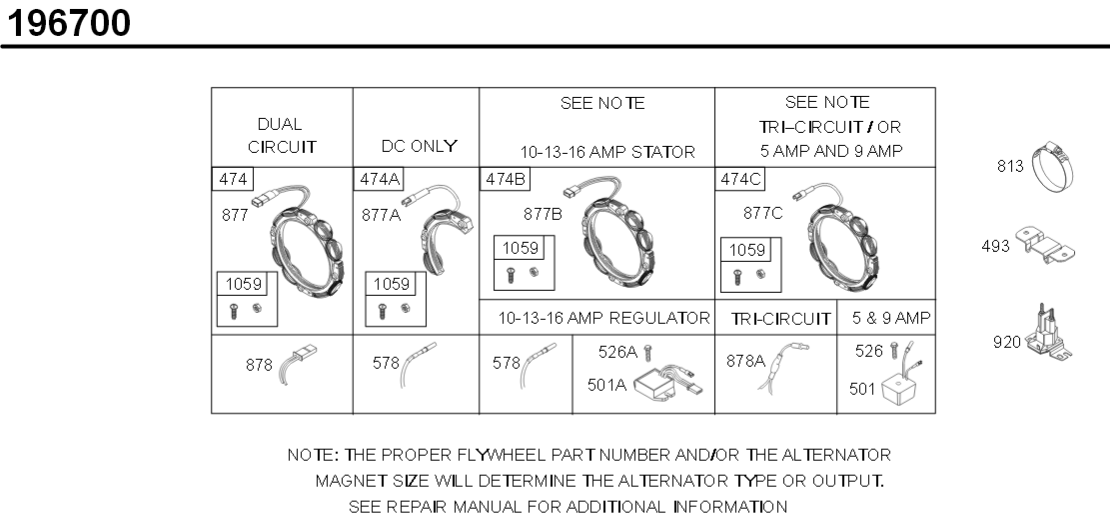
Turning to the alternator issue, do you have the low output or high output alternator? Here are the two of them for the blown engine:
Here are the two of them for the replacement engine:
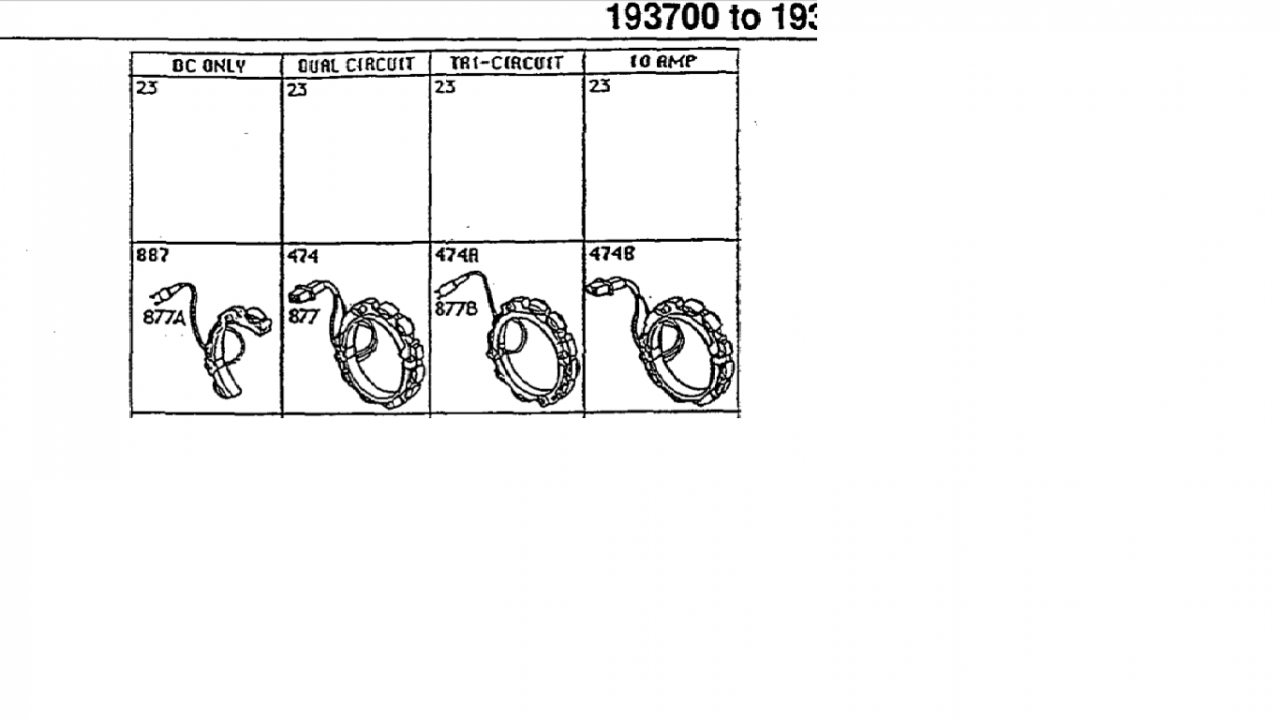
In each case there is a part-circle alternator (877A), which only produces about an Amp, and a full-circle alternator (474B), which produces about 10 Amps. Did you install the alternator from the blown engine in the replacement engine, because the replacement engine had an 877A, and you wanted a 474B to get the extra charging current?
Here is the wiring diagram for your mower:
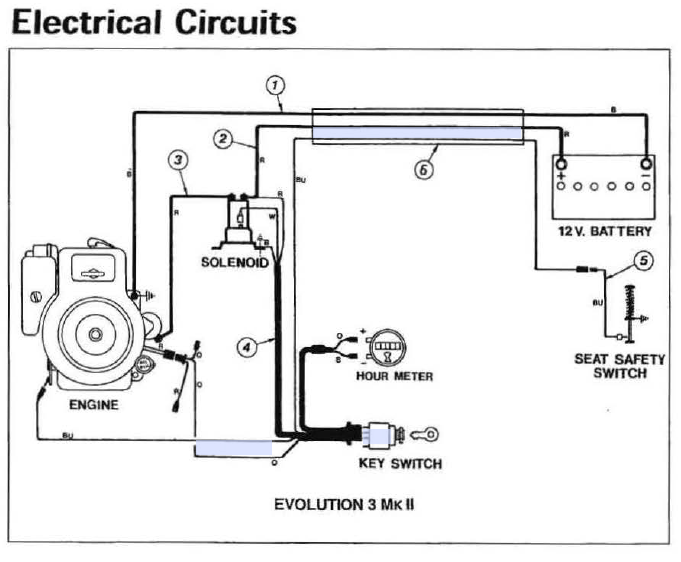
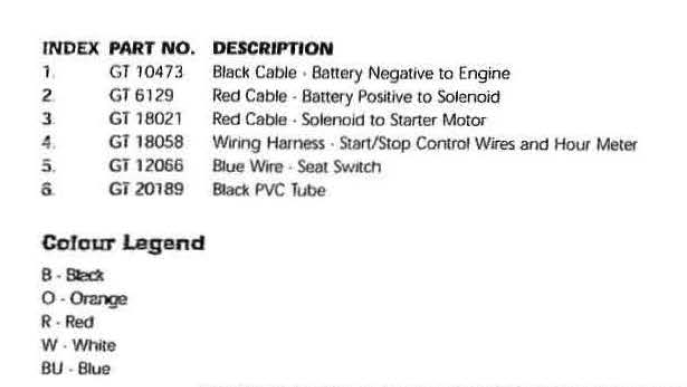
Please clarify your questions about the wiring, by referring to the diagram. Essentially the blue wire is the ignition kill wire, and the orange wire is the battery charging wire. There should be a diode on the engine side of the plug connecting to the orange wire. If you have the 10 Amp alternator, you should see a slight increase in battery voltage when the engine is running at maximum speed - probably a few tenths of a Volt, if the battery is fairly flat. If you have the 1 Amp alternator, you would not see a measurable increase in battery voltage.