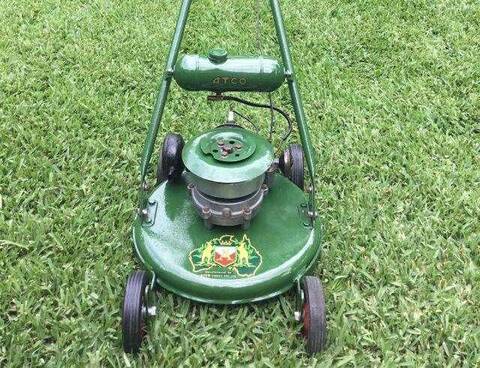
I've heard of people cleaning the carby 3 times then using an ultrasonic cleaner before the carby works properly
and sometimes people soak the carby in Acetone
You can soak metal parts in Acetone but make sure no rubber parts touch Acetone.
Soak metal parts only for 24 hours maximum to fully dissolve buildup while minimizing any risk to aluminum. Shorter times like overnight (8-12 hours) work well for lighter deposits, followed by brushing and air-blowing.
Effectiveness and Tips
Pure acetone outperforms diluted cleaners for stubborn gunk on brass jets and castings. Check progress after 12 hours, rinse with clean solvent if needed, and always dry completely before reassembly.
Boiling a lawnmower carburetor in a 50/50 mix of white vinegar and water can effectively remove rust, scale, and light corrosion from metal parts like brass jets and aluminum castings.
Recommended Process
Heat the solution to around 60°C (not a rolling boil) and soak disassembled metal components for 20-30 minutes, stirring occasionally for even cleaning. Rinse thoroughly with water, neutralize any residue with baking soda if needed, then dry completely and blow out passages with compressed air.
Limitations and Risks
This method works well for mild buildup but may not dissolve heavy varnish as effectively as acetone; pure vinegar is often preferred over diluted mixes to boost acidity. Avoid prolonged exposure or boiling on aluminum to prevent pitting, and never include rubber, plastic, or coated parts, as acid can degrade them.
Or
Gently heat pure vinegar 100 percent to 50-60°C (warm, not boiling) on a stove or in a double boiler, then soak metal components for 30-60 minutes while stirring occasionally for effective rust removal without damage. Boiling risks accelerating corrosion on sensitive alloys, so monitor temperature closely.
Post-Cleaning Steps
Rinse immediately with plenty of water, soak briefly in baking soda solution to neutralize acid residue, dry thoroughly, and blow out jets with compressed air.
Cheers
Max.