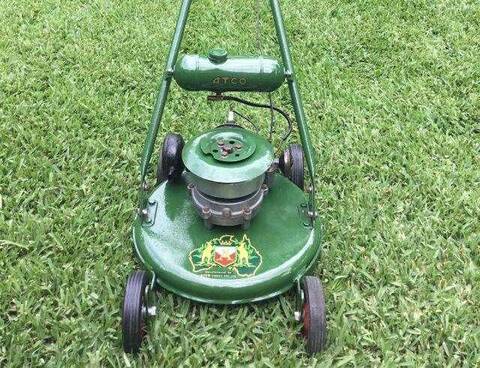
You need to use the same bearing type that was originally used. If the original was a self-aligning bearing and you have used a rigid, non-self-aligning bearing, getting hot is only the first thing it will do, after that it will all be downhill.
Unless the crankshaft is perfectly aligned with the output shaft's sprocket bearing (i.e. the one you have replaced) the sprocket bearing must be self-aligning, or large forces will be developed on the bearings at both the crankshaft and sprocket ends. The crankshaft bearings are able to deal with a fair amount of that kind of thing, but a single-row ballrace is not. Also, the shaft clutch's alignment sleeve must have some tiny amount of slack, and that creates an additional need for the sprocket bearing to be able to cope with some angular movement.