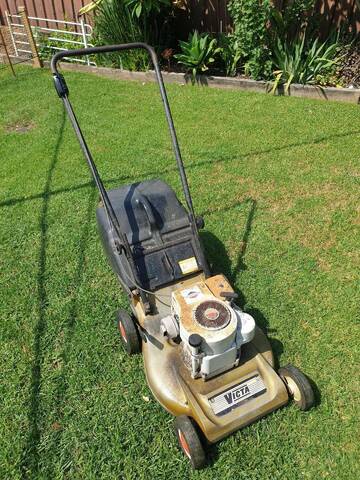
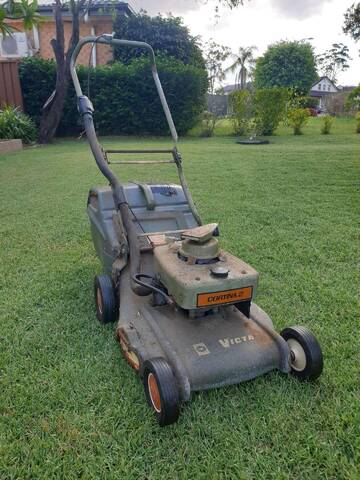
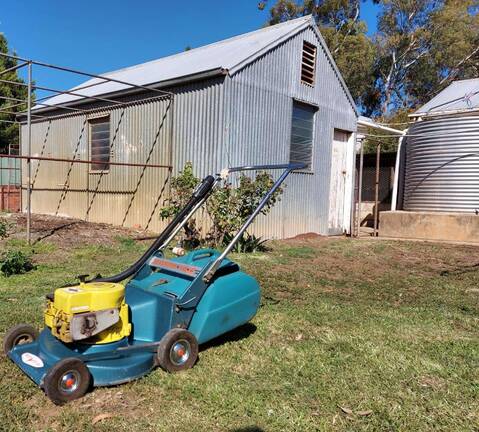
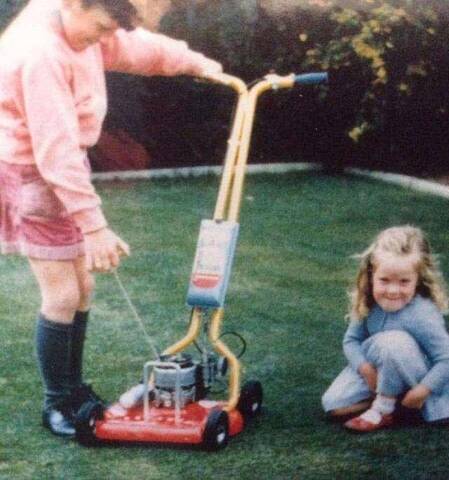
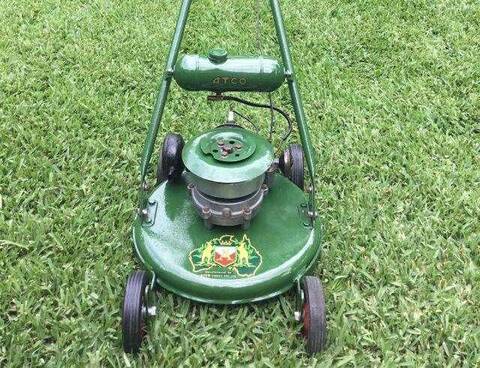
... Is this a given for all eras? Or do they chop and change?
Hello
Sapper and
TylerI would just like to comment on two specific questions that
Sapper raised.
The answer, for me, must be 'No' for the first and 'Maybe' for the second..
Victa's first rotaries were 'spun' steel toe-cutters.
That is, they were formed under roller pressure to form a shape.
This was not suited to mass production in the 1950s.
Victa's first alloy chassis appeared in about 1957.
You only have to look at a Victa Special base to understand
why this could not be formed by 'spinning'.
Victa returned to the steel base with their first rear catcher of
about 1962-63. This was a pressed steel job (not spun).
For unknown reasons, Victa gave up on that idea, and their
top-end mowers were all cast alloy for the 1960s and 1970s.
They chopped, then changed.
Victa re-introduced the steel base with their 1981
Commando.
The intention was clear: it was cheaper than the top-end alloy
models Victa made. That remains the situation today.
![[Linked Image]](https://www.outdoorking-forum.com.au/forum/ubbthreads.php/ubb/download/Number/12213/filename/1981_victa_commando.jpg) The point I make is this: -
The point I make is this: -advances in deep pressings of steel enabled Victa to
make cheaper mowers. That Victa could then use thinner
guages of steel,combined with poor design, meant that
their steel chassis had a limited life span.
They were destined to be 'entry level' lawnmowers.
Enter the disposable age for Victa.
--------------------------
Jack